saferngo

saferngo logo

SOCIAL ACTION FOR EMPOWERMENT AND RESEARCH (SAFER)
SAFER NGO

(Registered Non-Profit Organization-RNPO)

Tamil Nadu, India

background image banner

Education Program

Image 1

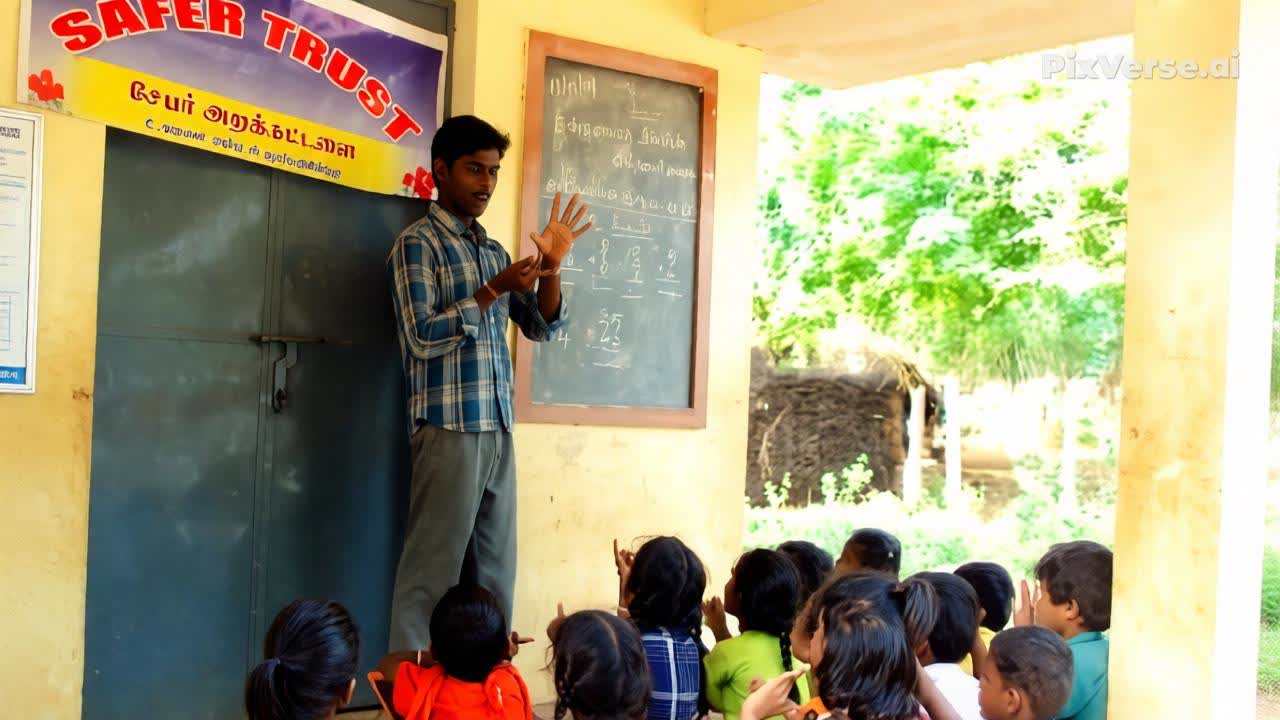
Evening Tuition Centre at Villages

• 1,517 dropout children (638 boys & 879 girls) aged 10–15 years received foundational literacy and numeracy skills (reading, writing, arithmetic), were reconnected with formal schooling and gained formal school education.
• 2,618 (boys- 1,331 & girls-1,287) school going children studied 1-10 standard class were better understanding of subjects, reduced in learning gaps and drop outs.
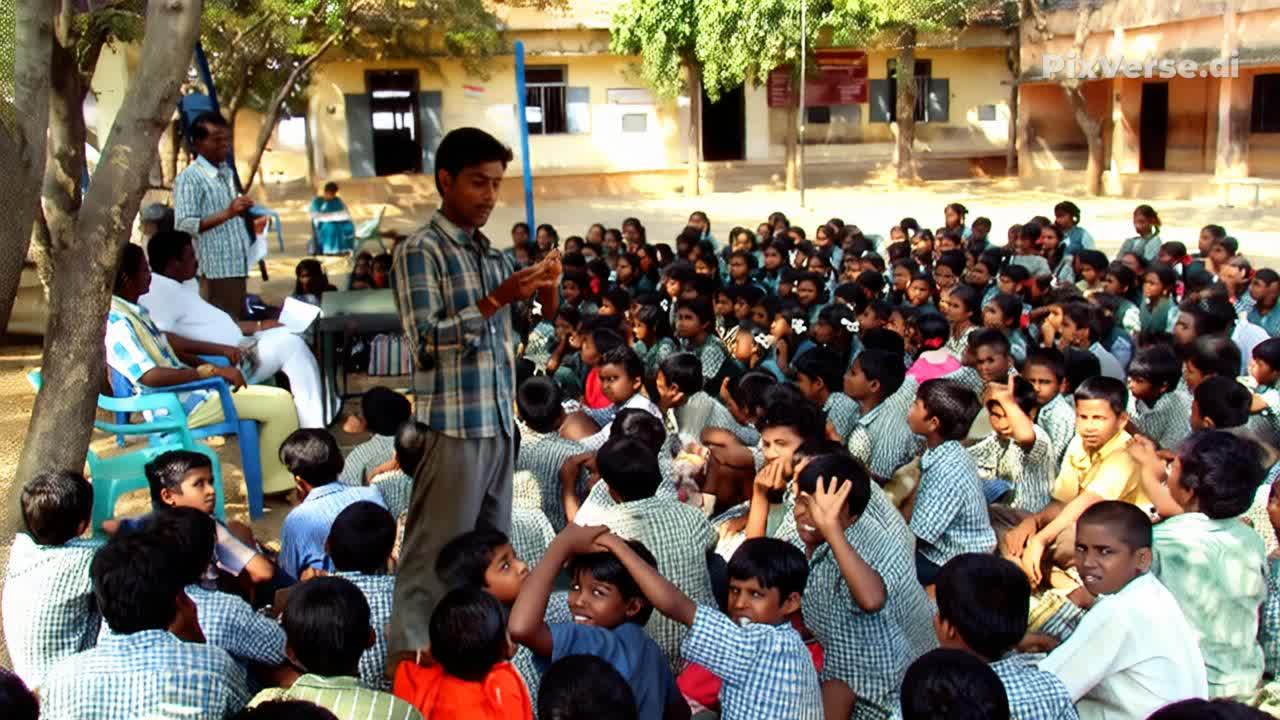
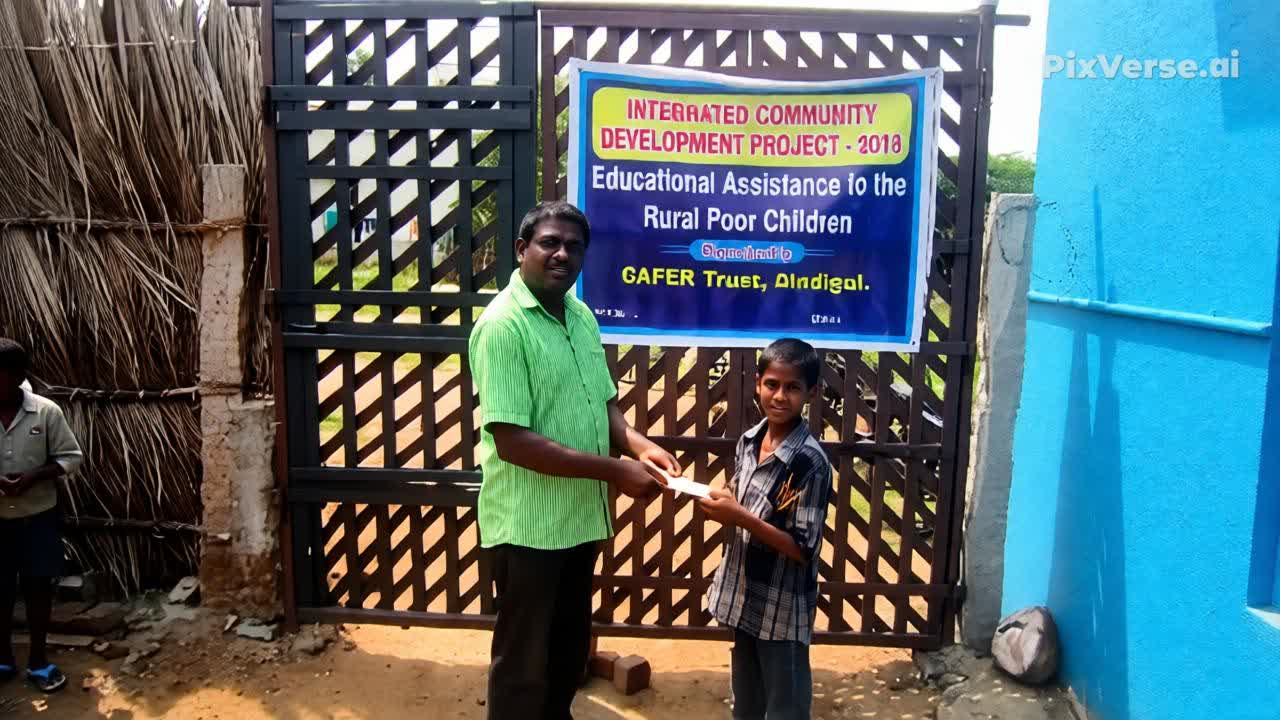
Image 2

School Enrolment Campaign

• 1,832 dropout children (794 boys & 1,038 girls) aged 11–15 years were enrolled into mainstream of school education with 6th - 9th standard class.
• 3,435 (boys-1,683 & girls-1,752) 5-year-old first-time learners were enrolled in formal school education.

Image 2

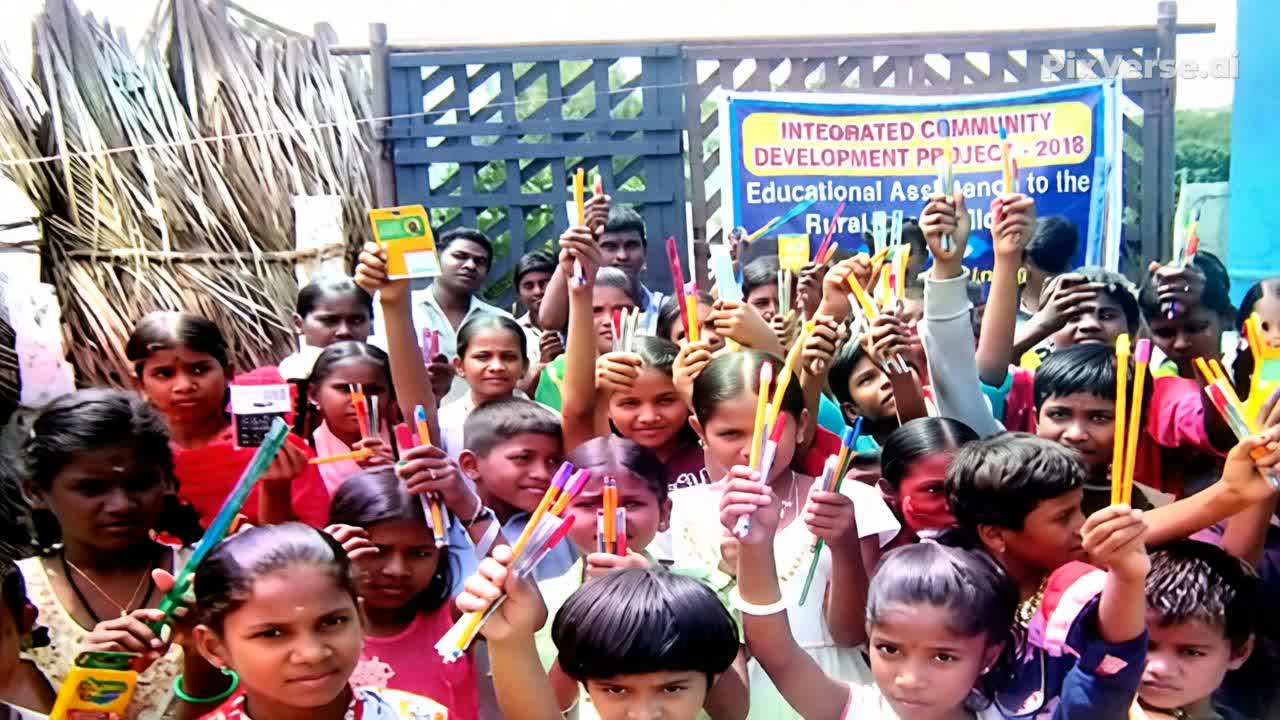
Distributing Educational Materials

Educational materials to rural poor children improves school attendance, learning participation, confidence, academic performance, and equal access to quality education opportunities

Image 2

Educational Assistance

Educational assistance such as school fees, books, notebooks, school bags, uniforms, and stationeries ensured 628 rural poor children (boys-297 & girls-331) remain in school, enabled to actively participate in classroom activities, complete assignments, and perform better academically, and reducing dropout rates significantly.

Community Health Program

Image 1

Tobacco Control Program

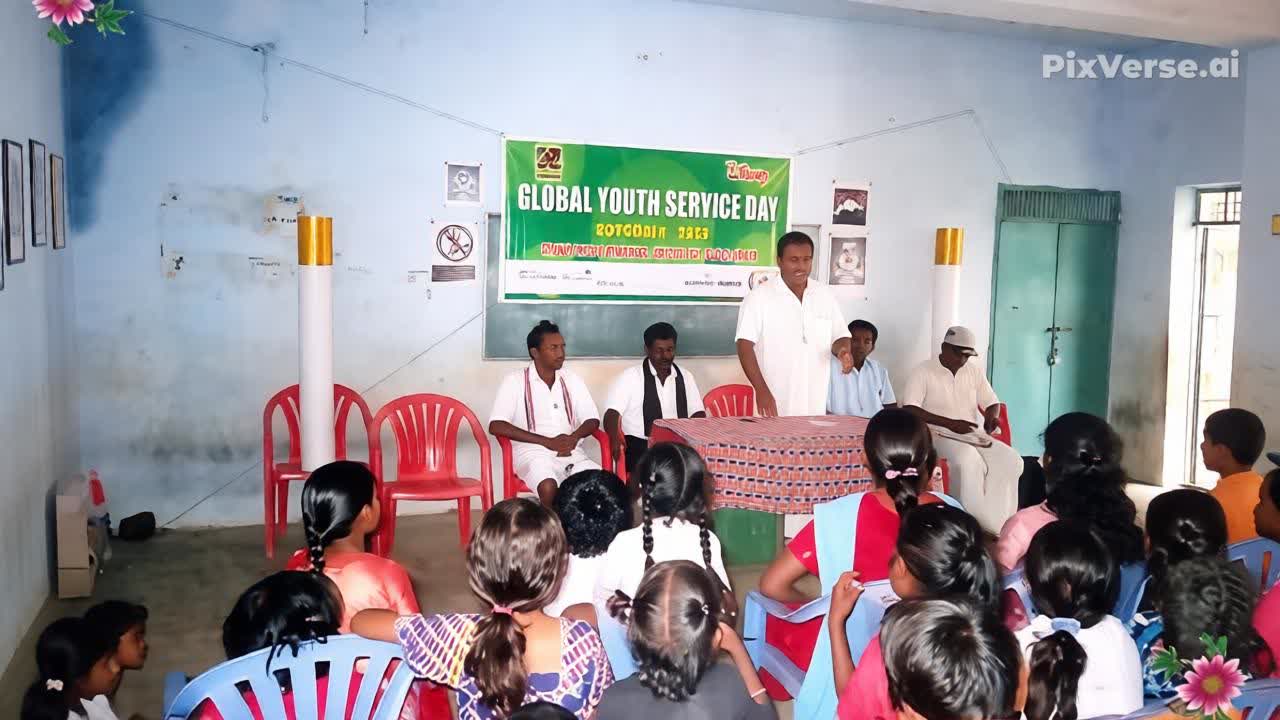
Increased awareness in rural areas among 750+ young people and youth 14 – 30 years on the harmful effects of tobacco use created positive behavioral change with some youth quitting tobacco habits and promoted a healthier, tobacco-free lifestyle within the community.

Image 2

HIV/AIDS Awareness and Prevention

• 12,500+ rural women across 37 villages gained awareness about HIV/AIDS transmission and prevention. • Improved knowledge has reduced myths, stigma, and misconceptions related to HIV/AIDS. • Rural women adopted safer health practices, leading to a reduction in high-risk behaviors. • Increased acceptance of voluntary HIV testing and early diagnosis.

Women Empowerment Program

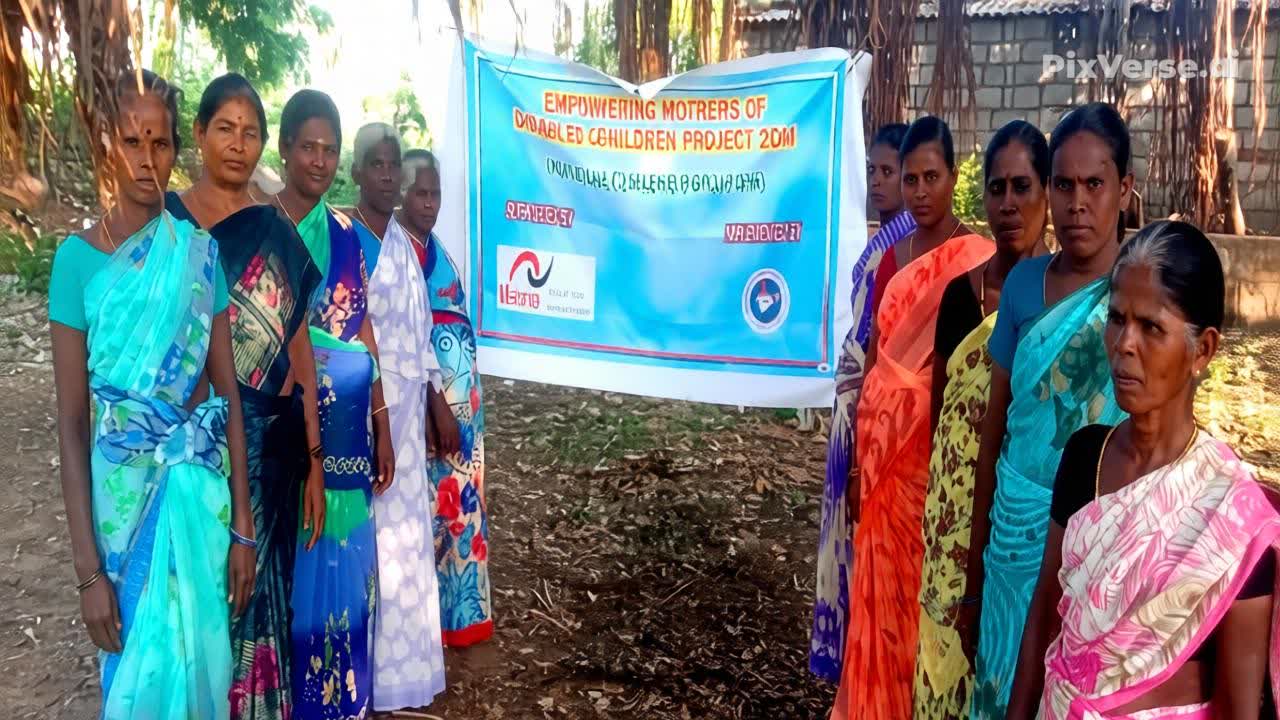
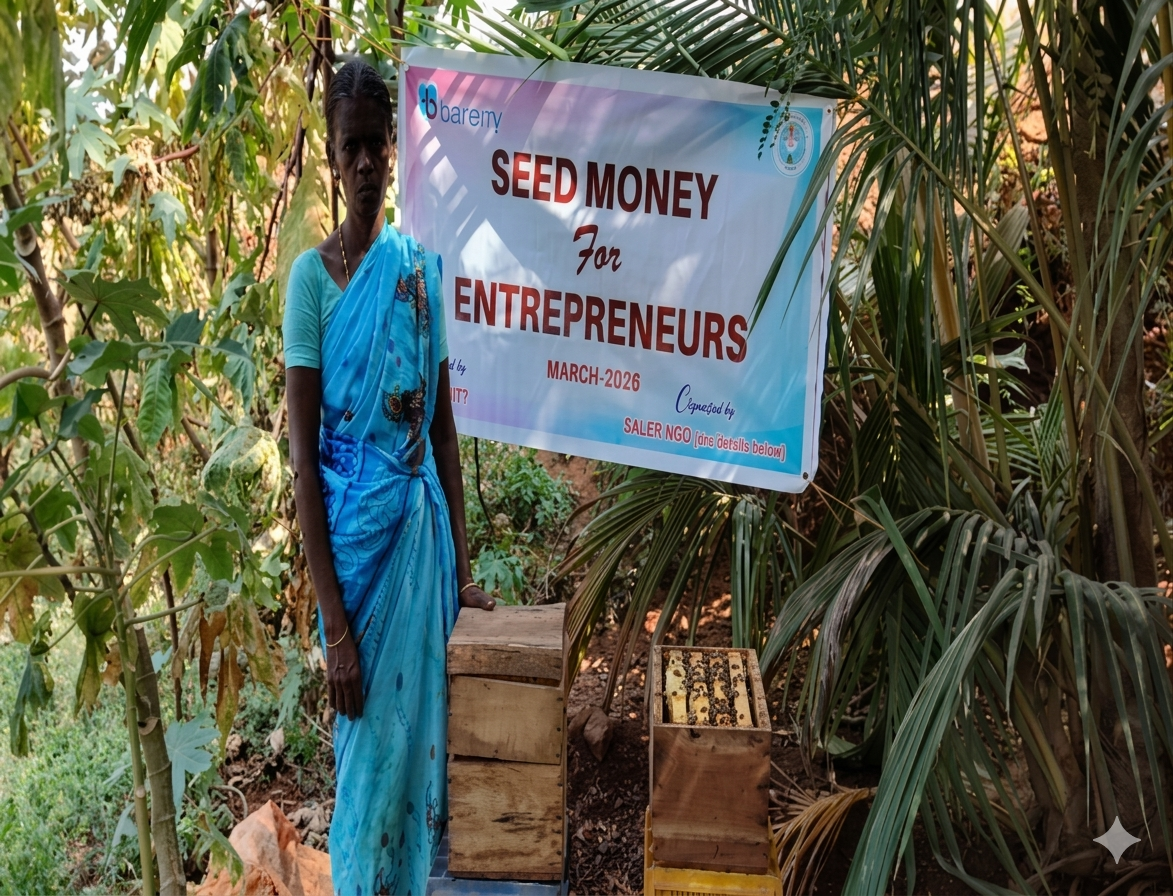
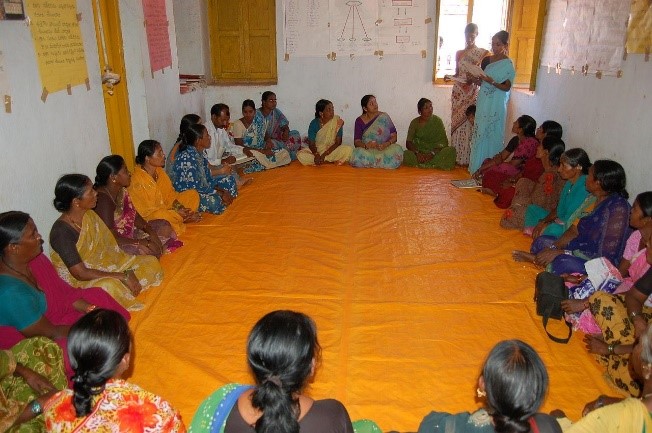
  • Organized 1,338 rural poor and marginalized women, including 33 mothers of disabled children, into 90 Self-Help Groups, strengthening social cohesion, collective savings, leadership, and community participation.
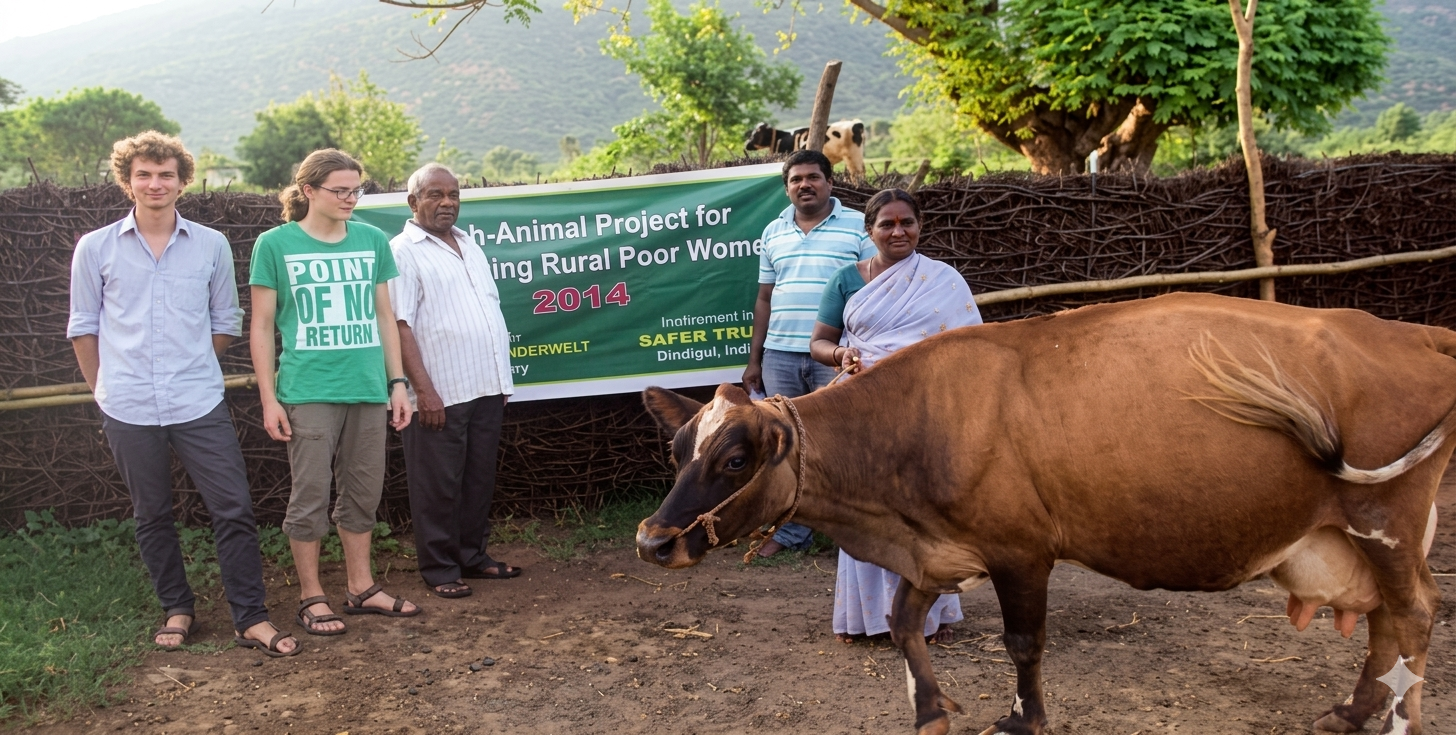
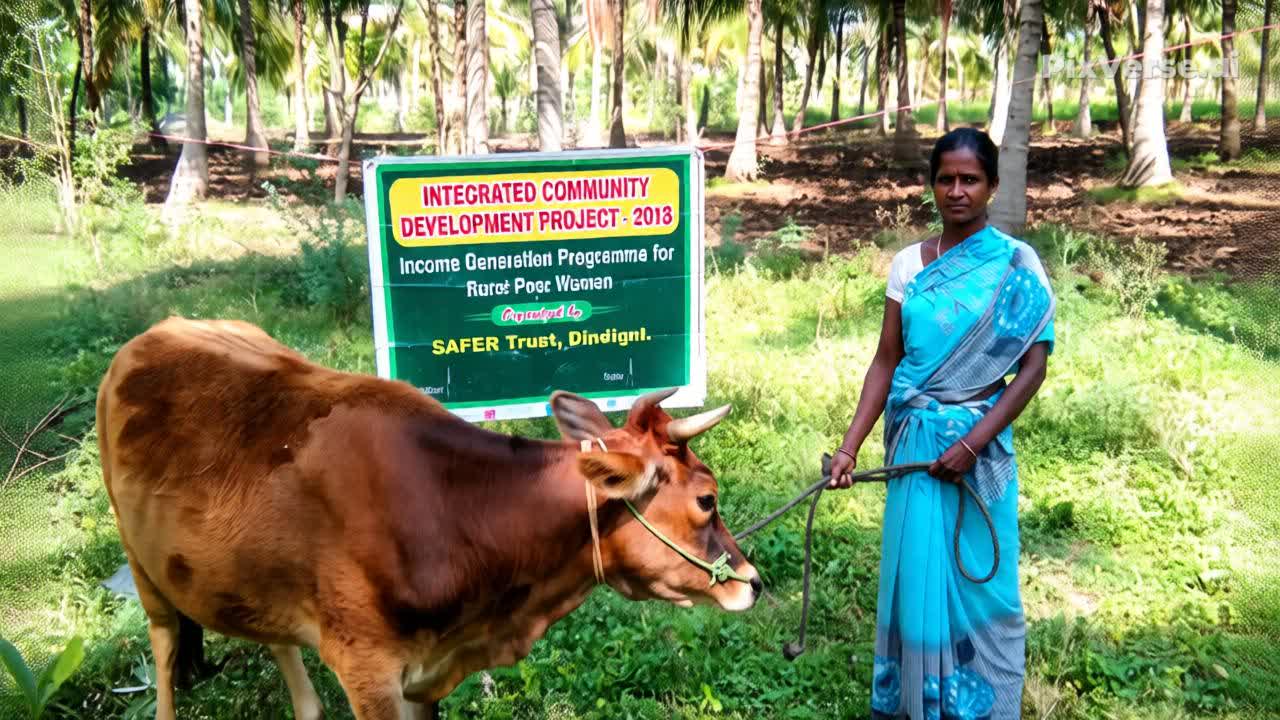
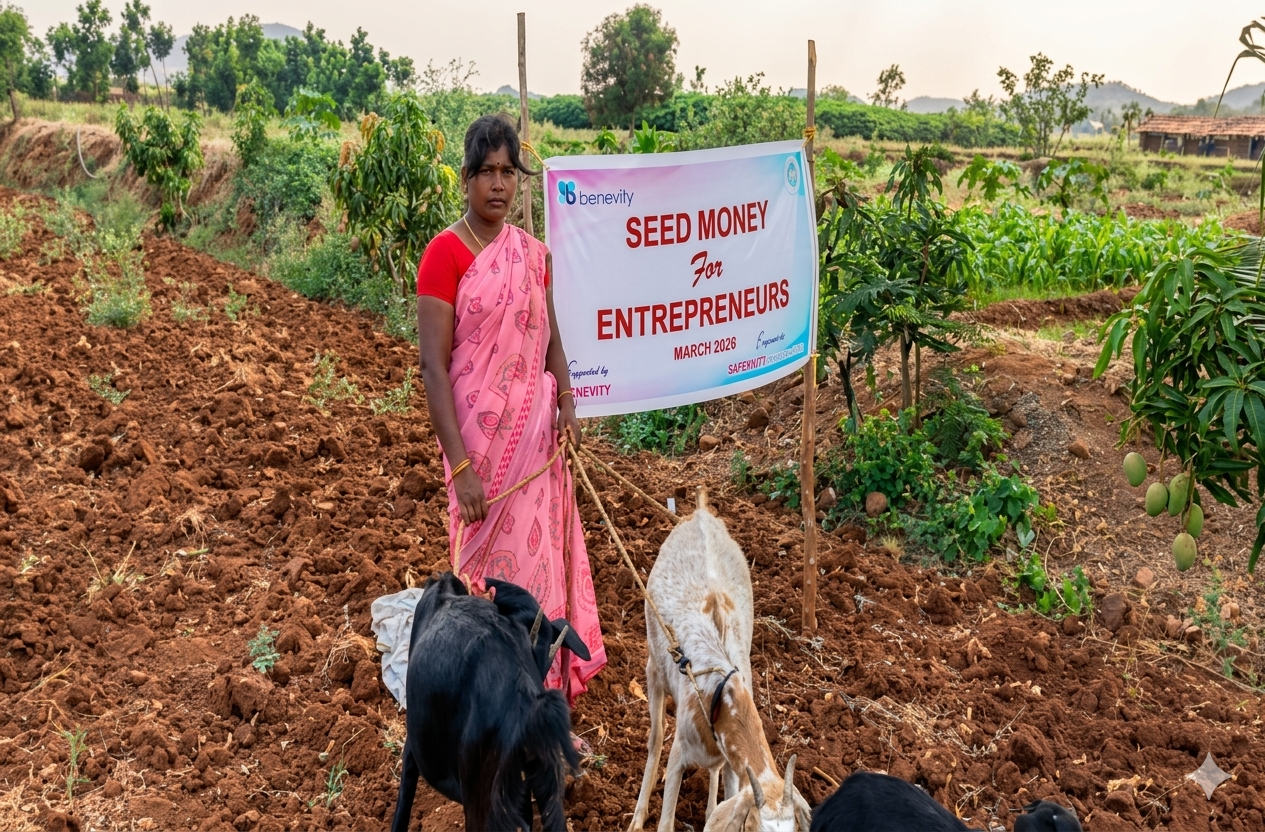
  • Improved economic resilience of 78 women, including 7 widows, through dairy-based livelihoods, ensuring regular year-round income and enhanced household livelihood security.
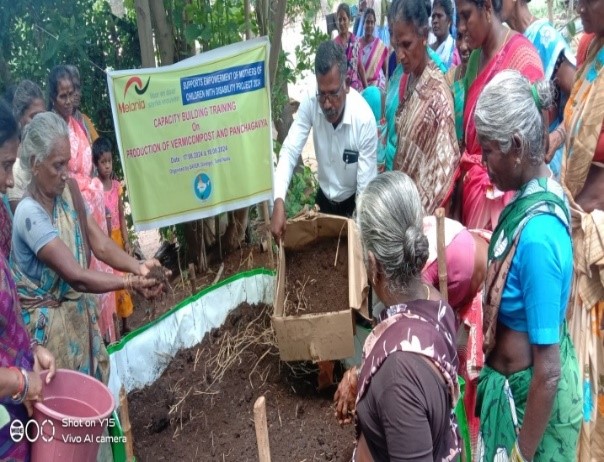
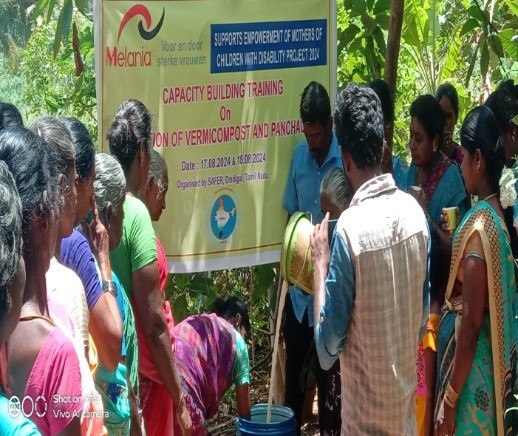
  • Enabled 33 mothers of 33 disabled children to establish sustainable micro-enterprises through the production and sale of organic fertilizers such as Vermicompost and Panchagavya, promoting both income generation and eco-friendly practices.
  • Enhanced the socio-economic status of vulnerable families by increasing household income, resulting in improved access to healthcare, nutritious food, and education for 225 (boys-105 & girls-120 children, including 33 children (boys-18 & girls-15) with disabilities.

Strengthened women’s empowerment, financial independence, and decision-making capacity, while promoting inclusion and dignity for families of disabled children within the community.

Mental Health and Wellbeing Program

Image 1

Home-Based Special Education

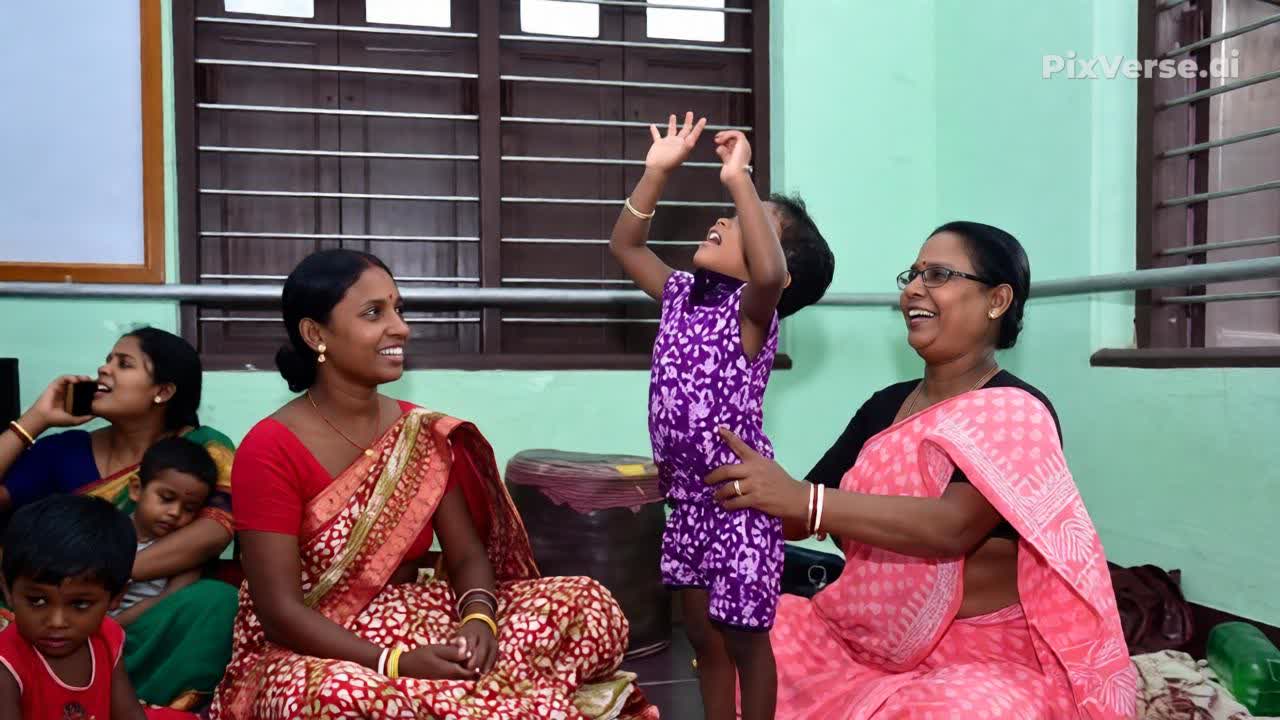
Community-based special education to 56 intellectually disabled children (32 boys and 24 girls) across 42 villages improved daily living skills, learning abilities, communication, social interaction, confidence, and inclusion, while enhancing family awareness and support for children with disabilities in rural communities.

Image 2

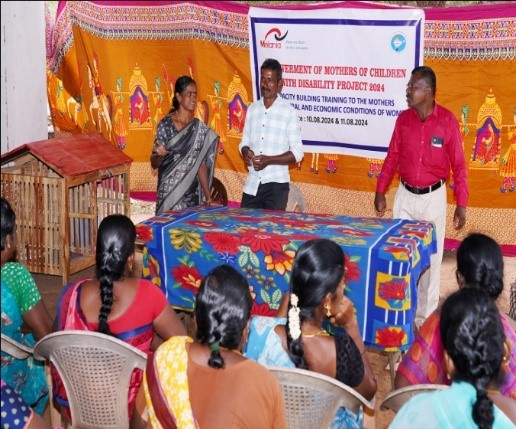
Capacity Building Training

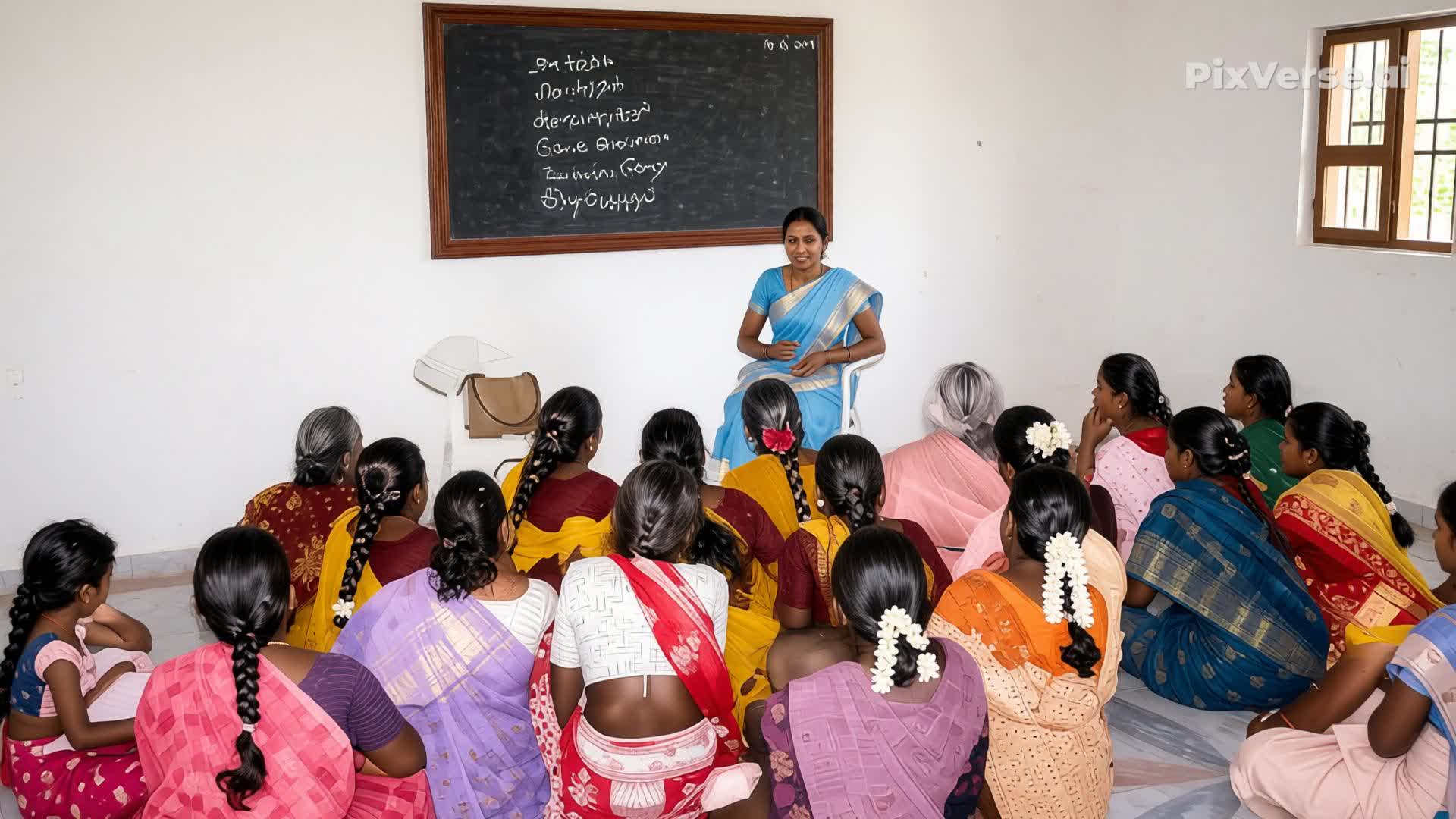
Training empowered 56 mothers and caregivers of disabled children at rural areas to become informed, confident, and skilled caregivers. It strengthened caregivers’ skills and knowledge. It improved the quality of life of intellectually disabled children through home-based care and rehabilitation.

Aged Care and Support Program

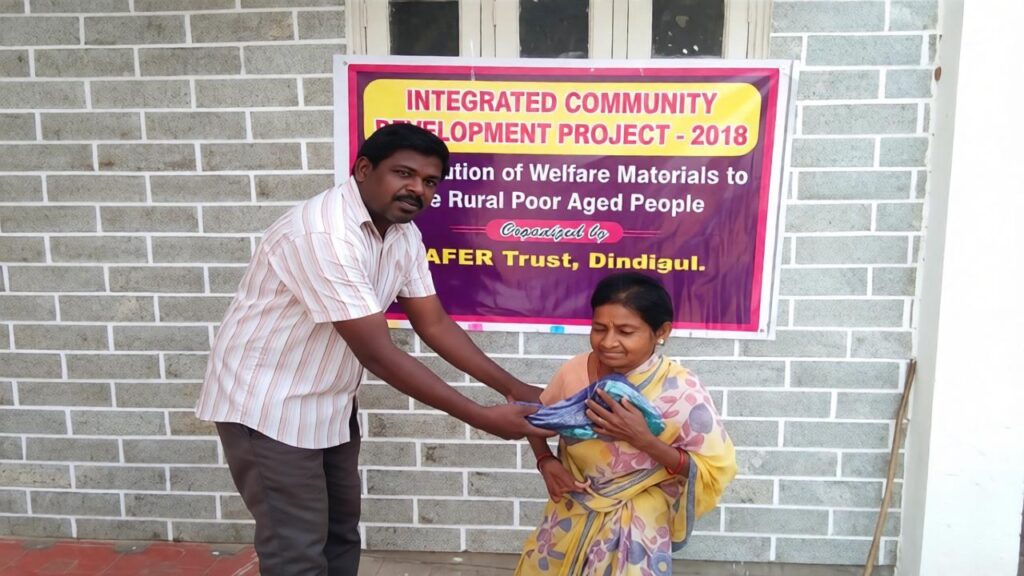
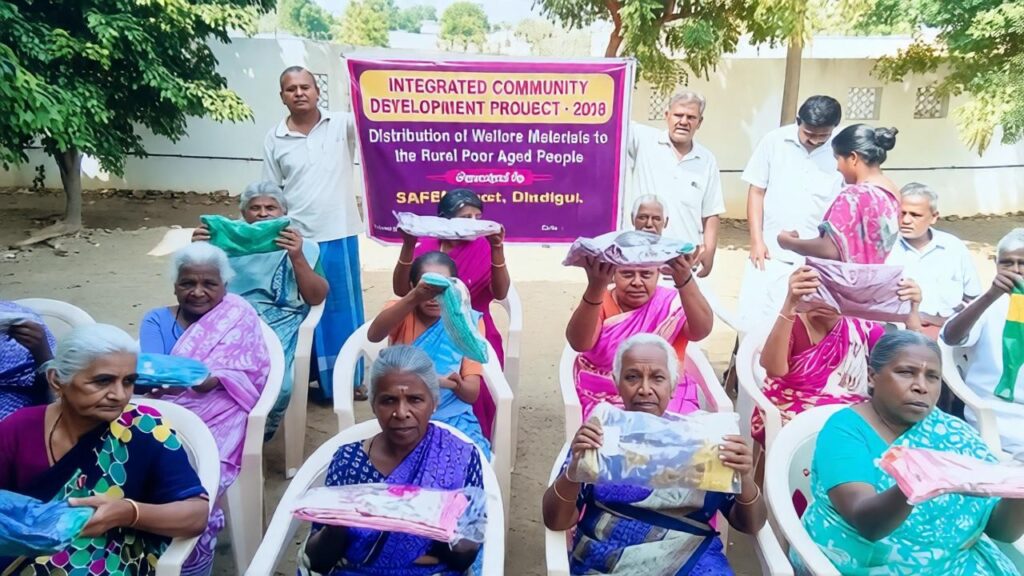
1,327 destitute aged people in rural areas were distributed welfare materials such as blankets, clothes, mats, utensils, walking sticks, and hygiene kits helped aged people meet their daily basic needs.

Receiving welfare support made them feel valued, respected, and cared for by society.

Welfare materials reduced household expenses and enabled them to utilize their limited income for medical care and other urgent needs.

The initiative motivated local youth, volunteers, and community members to participate in community welfare activities.

Sustainable Agriculture Program

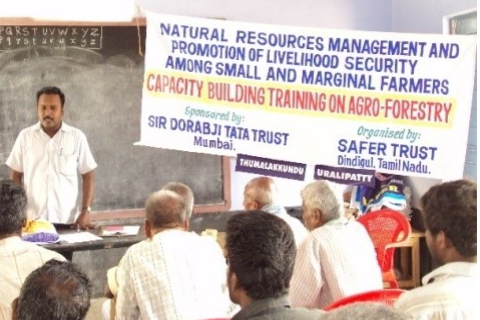
  • Improved sustainable agriculture practices among 500 small and marginal farmers through training, agroforestry and organic farming practices.
  • Raised 75,000+ tree saplings across 500 acres, enhancing green cover, soil fertility, and biodiversity.
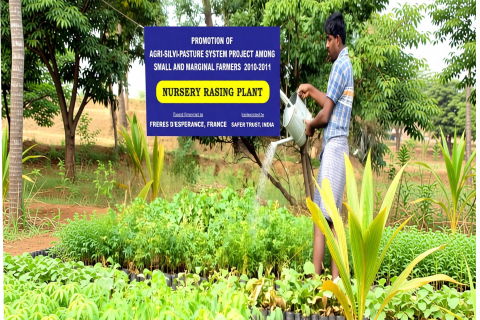
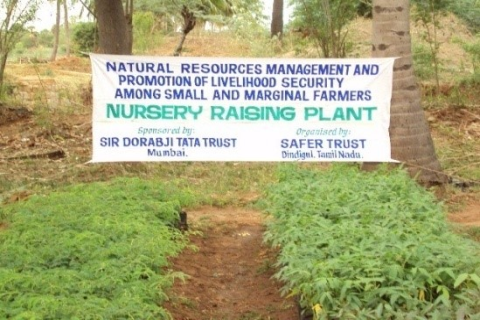
  • Strengthened livelihoods through nursery raising, capacity building, soil and water conservation, diversified income and increased farm resilience to climate change.
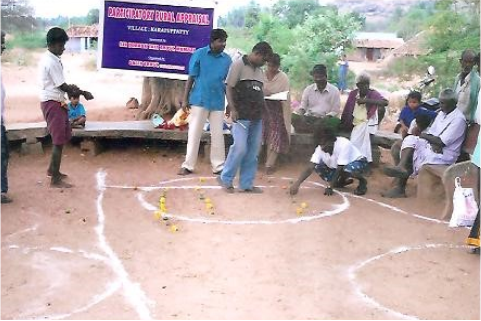
PRA Execises
Training for Farmers
Nursery for Agroforestry
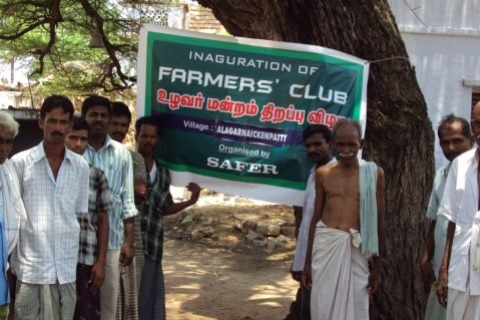
Farmers Club

Environmental Sustainability Program

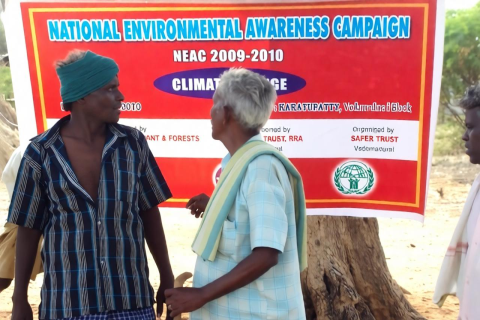
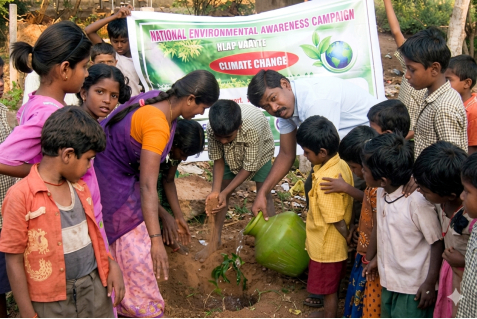
  • National environmental awareness campaign reached 17,300+ villagers in 53 villages and planted 67,750+ tree saplings promoting climate change awareness and biodiversity conservation.
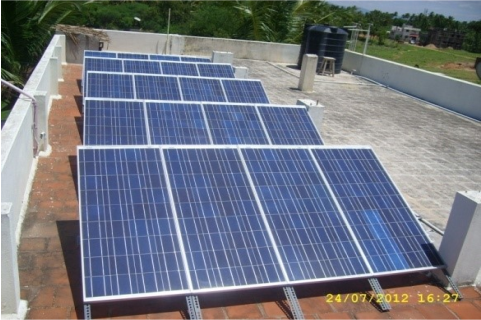
  • Installed 6.7KV solar system ensured uninterrupted eco-friendly power supply and reduced electricity expenses for St.Bartholomius Aged Home.
Environmental Awareness Campaign
Nursery Development
Social Forestry Program
Solar Energy Project at
Aged Home