Education (SDG-4)
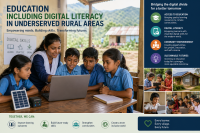
SAFER NGO ensures inclusive, equitable and quality education to rural disadvantaged, marginalized and poor children, youth and women aligned with UN (SDGs-4) and sub targets (4.3) - equal access to affordable technical and vocational education, (4.4) relevant skills for employment (digital, vocational), and (4.5) eliminate gender disparities in education. Our initiative contributes to interconnected UN SDGs (1) No Poverty – education improves income opportunities (5) Gender Equality – equal access to girls (8) Decent Work and Economic Growth – skills for employability (10) Reduced Inequalities – bridging rural-urban gaps, and (13) Climate Action – environmental awareness.
Community Health (SDG-3)
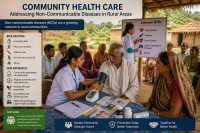
We promote healthy lives and well-being for all at all ages in rural areas. It is central to sustainable development because health influences education, productivity, poverty reduction, and overall quality of life. Our community health work aligns with SDGs 3 – good health and well-being and particularly sub-target (3.4) – reduce non-communicable diseases (NCD) and promote mental health, (3.5) – substance abuse prevention, and (3.a) strengthen tobacco control. Our community health activities are having key interconnections of SDGs 3 with other SDGS (1) no poverty (2) zero hunger (4) education (5) gender equality and (6) clean water and sanitation.
Empower Women (SDG-5)
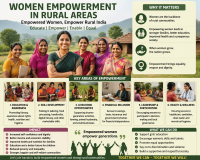
SAFER NGO supports rural women facing structural inequalities by promoting economic independence, skill development, leadership, decision-making power, and social and legal equality. Our women empowerment program aligns with UN SDGs 5 on gender equality, contributing to targets on ending discrimination and violence, eliminating harmful practices, strengthening women’s participation and leadership, ensuring equal access to economic resources, and promoting technology for empowerment. The initiative also advances SDGs 1, 3, 4, and 8 by reducing poverty, improving health and education, and supporting inclusive economic growth in rural communities.
Youth Empowerment
(SDGs-4, 5, 8, 9, 10)
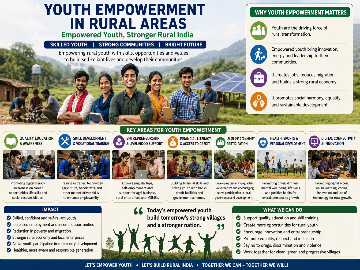
SAFER NGO empowers rural youth by bridging traditional livelihoods with the modern digital economy. The initiative addresses key development gaps through digital education, vocational training, entrepreneurship support, mentorship, and leadership opportunities. It aligns with UN SDGs target 4.4 by enhancing employability skills, target 5.5 by promoting equal participation of young women and girls, target 8.6 by reducing youth unemployment and supporting entrepreneurship, target 9.c by expanding ICT access, and target SDG 10 by reducing inequalities among marginalized and disadvantaged rural youth communities.
Mental Health & Wellbeing (SDG-3.4) (SDG-3)
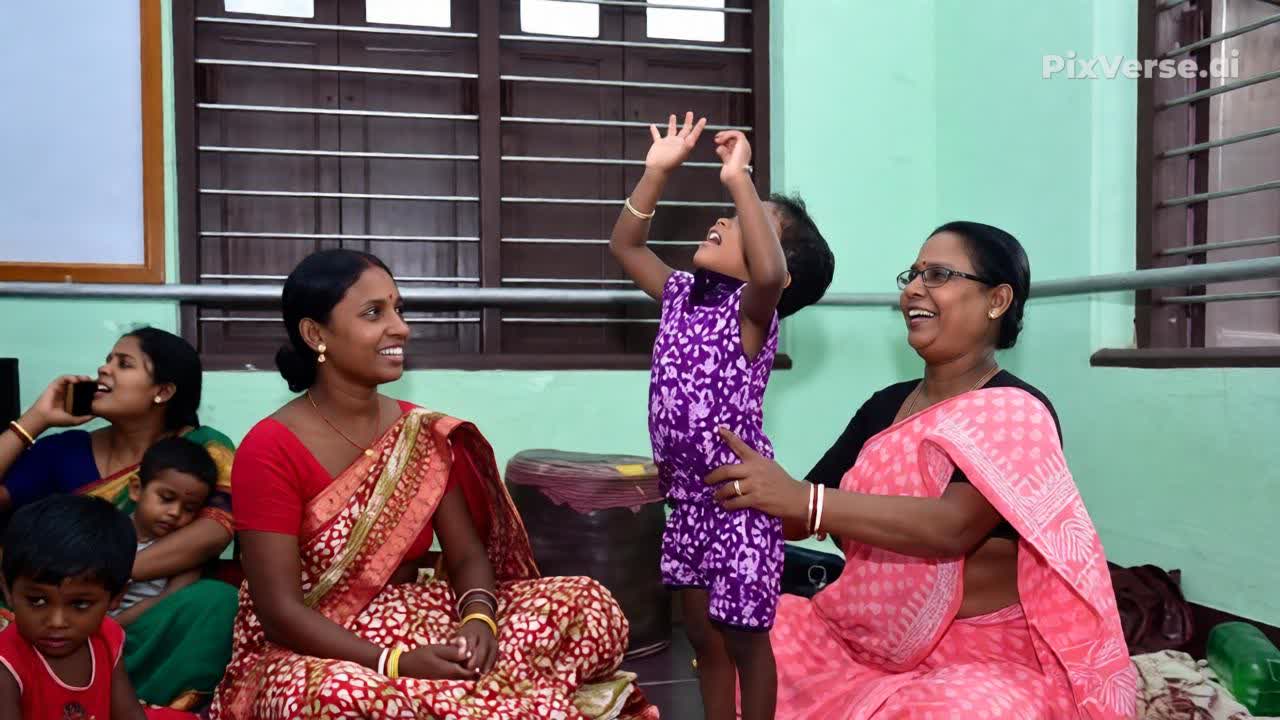
SAFER NGO addresses the critical gap in rural mental health services caused by limited infrastructure, shortages of trained professionals, and social stigma. Through community-based rehabilitation (CBR), the organization provides access to mental health and psychosocial rehabilitation services, including social, cognitive, and independent living skill development, vocational and educational support, wellness management, and community integration. The initiative focuses on recovery, dignity, inclusion, and improved quality of life for vulnerable rural populations. Our work aligns with the UN SDG 3 target 3.4 promoting mental health and well-being under the principle of “Leave No One Behind.”
Aged Care and Support
(UN SDG-3)
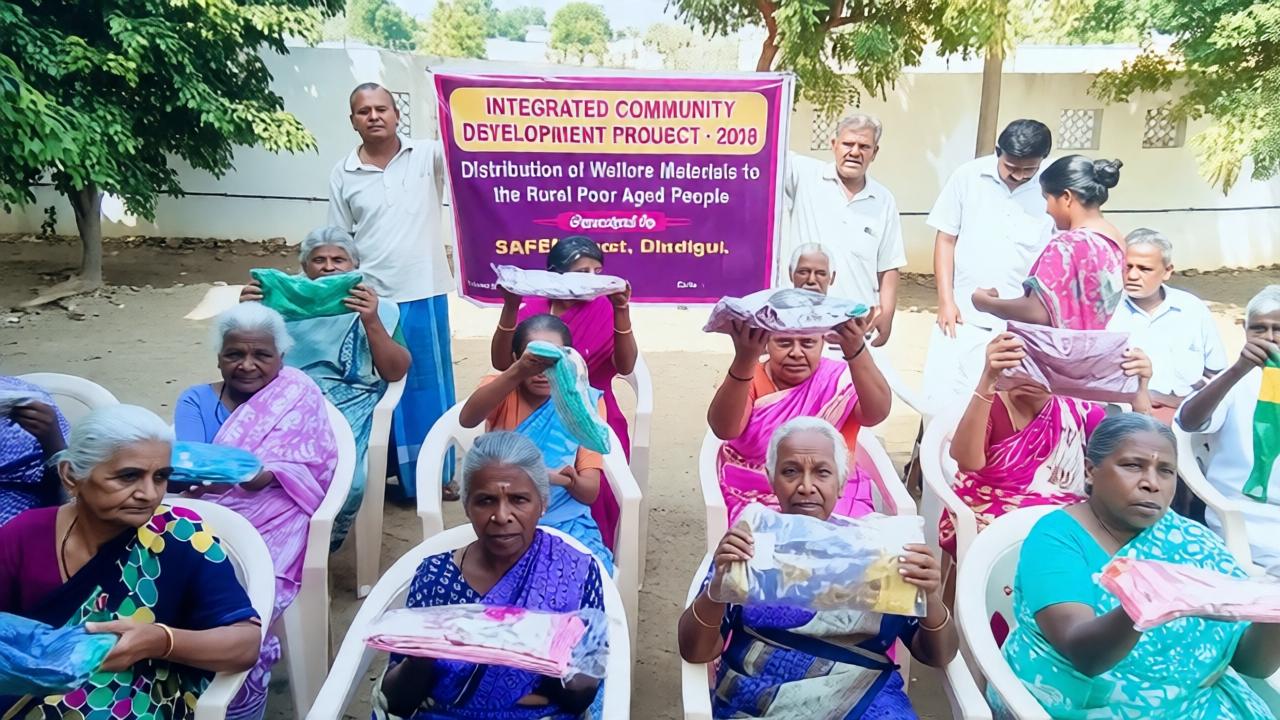
SAFER NGO supports destitute elderly people in rural areas through a community-led care model addressing palliative care, chronic disease management, social isolation, poverty, and economic vulnerability. The program provides healthcare support for diabetes, hypertension, arthritis, cataracts, respiratory illnesses, dementia, and livelihood assistance to improve dignity and quality of life. Guided by the “Leave No One Behind” principle, our initiative aligns with UN SDGs 3 (Good Health and Well-being) and interconnected with other UN SDGs 1 (No Poverty), 5 (Gender Equality for elderly women), and 11 (Sustainable Communities through age-friendly, accessible, and community-based elderly care systems).
Sustainable Agriculture
(SDG-2 and Multiple SDGs)
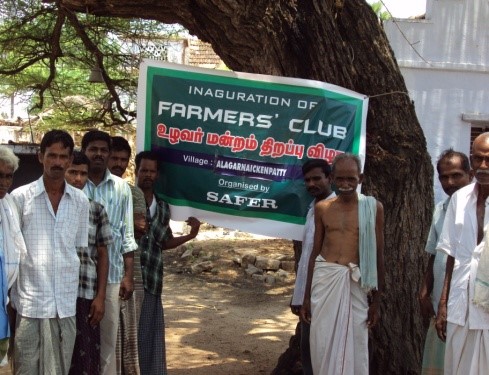
SAFER NGO promotes sustainable agriculture to address climate change, soil degradation, low productivity, farmer distress, and rural poverty. Through organic, regenerative, climate-resilient farming, digital inclusion, circular economy practices, and agritech social enterprises, the organization strengthens food security, soil health, water conservation, and resilient rural livelihoods. Its initiatives support smallholder farmers by improving productivity, reducing vulnerability, and creating sustainable income opportunities. The program primarily aligns with UN SDG 2: Zero Hunger, while also contributing to SDGs 1, 5, 6, 8, 12, 13, and 15 through inclusive and environmentally responsible agricultural development.
Environmental Sustainability
(SDG 13 & Multiple SDGs)
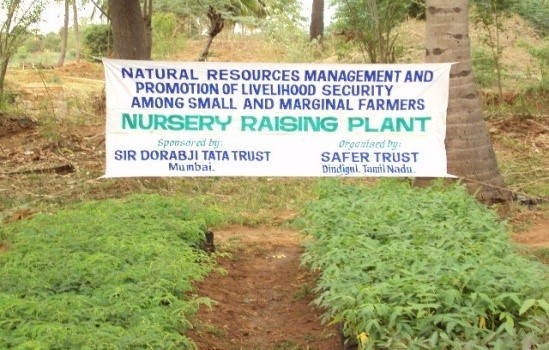
SAFER NGO promotes environmental sustainability to address interconnected global crises including climate change, biodiversity loss, resource depletion, water scarcity, soil degradation, and pollution. Through community-led conservation, climate resilience, clean energy, circular economy practices, sustainable consumption, ecosystem restoration, and forest management, the organization supports ecological balance and human well-being. Its initiatives align with UN SDGs 6 (Clean Water and Sanitation), 7 (Clean Energy), 12 (Responsible Consumption), 13 (Climate Action), and 15 (Life on Land), while also contributing to SDG 2 (Zero Hunger) and SDG 5 (Gender Equality) by strengthening sustainable livelihoods and inclusive development.
Partnership for the Goals
(SDG 17)
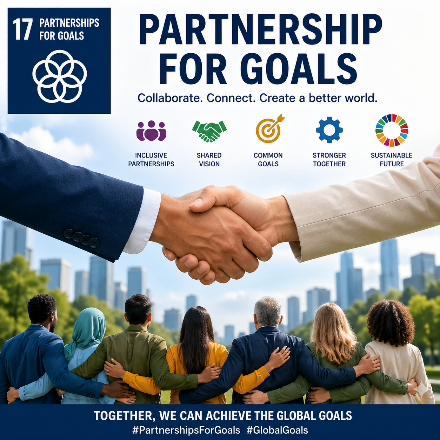
SAFER NGO facilitates “triangular cooperation” Public-Private-Community Partnerships where private corporations provide funding or technology (CSR), local governments provide land or permits and SAFER NGO provides the grassroots mobilization and promotes Civil Society Organizations like SHGs, youth clubs, local NGOS, FPOs, farmers associations, financial institutions like banks and cooperatives by bringing together disparate groups to solve rural challenges. The SAFER NGO specifically aligns its core mission with SDG 17: Partnerships for the Goals by acting as a bridge between marginalized communities, governmental bodies, and the private sector.